
Terpenes For High Blood Pressure – Could They Really Help?
Key Takeaways Defining Terpenes and Their Significance in Plants Terpenes are essential oils comprised of hydrogen and carbon atoms, possessing potent medicinal properties and providing


Terpenes are aromatic oils that give cannabis its distinct smell, flavor, and effects. They are the compounds that make one strain of cannabis different from another and are the key to understanding why certain strains can have different effects on people. As the cannabis industry continues to grow, it is becoming increasingly important to understand how terpenes work and how they can be used to create unique experiences for consumers.
In this blog post, we will explore the world of terpenes to better understand how they can be used to create unique cannabis products. We will look at the different types of terpenes and the effects they can have on the user. We will also discuss how cannabis businesses can use terpenes to create custom products and experiences for their customers.
By the end of this post, you will have a better understanding of terpenes and their importance in the cannabis industry. So, let’s dive in and explore the world of terpenes!
Terpenes are aromatic compounds found in both cannabis plants and many other plants, herbs, and even fruits. They’re responsible for the distinct scent of pine or lavender or the citrus-like smell of orange peel. They have recently become popular among consumers due to their purported health benefits.
However, despite their growing popularity, terpenes remain largely unregulated as scientists continue to research them and learn more about their properties.
Essentially, many aromas that we associate with cannabis come from terpenes. Depending on the strain, you can find common terpenes like myrcene or limonene that impart a musky or lemony scent, respectively. In contrast, strains like rosemary contain terpenoids instead of pure terpene molecules.
In addition to giving plants distinctive scents that attract pollinators and deter predators such as insects, terpenes play an important protective role for the plant itself—they can help reduce damage caused by environmental stressors such as temperature changes and air pollution. For example, linalool offers anti-inflammatory benefits, which can strengthen the plant’s immune system against infectious germs.
For cannabis manufacturers who want to offer consumers something that stands out from traditional products on the market, utilizing different combinations of terpenes can create distinctive flavors and scents that appeal to customers’ senses. Business owners should also be aware of the potential side effects associated with certain types of terpenes; it’s important to conduct research before sourcing ingredients from suppliers, so they know what they’re getting.
Terpenes are aromatic organic compounds found in plants and herbs. In cannabis, terpenes are secreted from trichomes, resin glands that grow on the plant’s flowers, leaves, and stems. Terpenes play a critical role in protecting the plant against predators and infections by producing distinct aromas that attract certain creatures while repelling others.
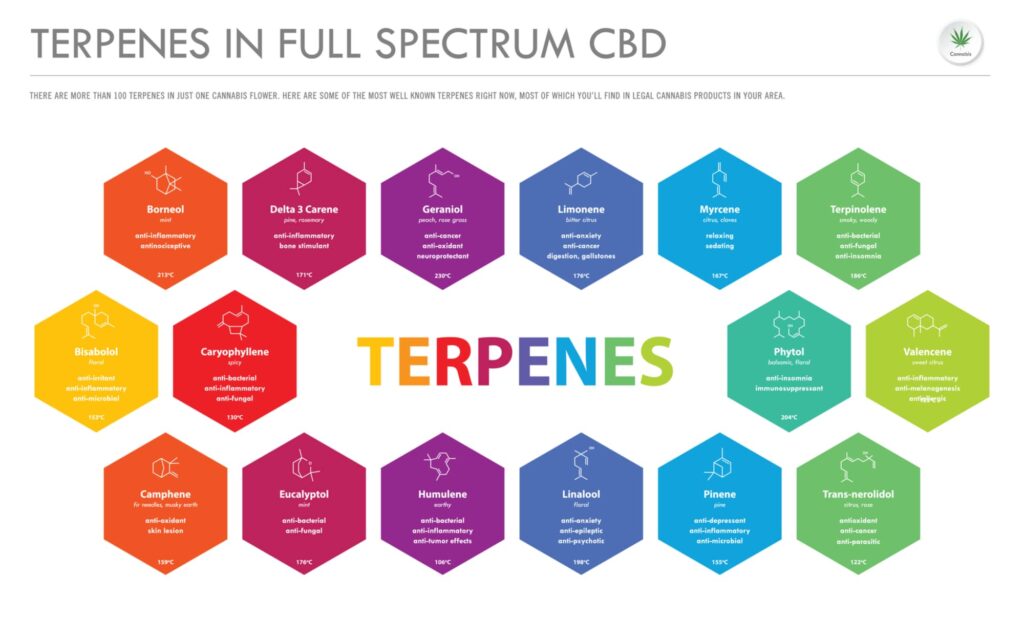
Cannabis terpenes are thought to have medical benefits beyond their pest-deterring function. Studies of preclinical animals and in vitro conditions suggest terpenes may possess antiviral, anticancer, antidepressant, antimicrobial, and analgesic properties. However, more research is needed to understand if these effects also apply to humans.
Some of the most studied cannabis terpenes include alpha-pinene, beta-pinene, caryophyllene (also known as humulene), camphor, carvone, limonene (also known as D-limonene), pinene (also known as alpha-pinene or beta-pinene), terpinolene (also known as gamma-terpinolene) and beta-myrcene.
Alpha-pinene is thought to have anti-inflammatory and bronchodilatory properties; beta-myrcene has been studied for its potential antidepressant qualities; linalool has been suggested to act on the endocannabinoid system through CB1 receptors for pain relief; humulene is being explored for its anti-inflammatory effects; menthol is believed to be an antispasmodic; eucalyptol may alleviate anxiety; terpinolene may combat insomnia; while geraniol could protect against bacteria.
So far, evidence of the medical benefits of terpenes remains largely theoretical, with limited clinical trials available on human subjects. But with increasing interest in the therapeutic potential of cannabis beyond just THC effects – especially given the recent legalization of hemp in many states – it’s expected that more research will be conducted into this area over time.
In conclusion, while we don’t yet know all there is to know about the potential medical benefits of terpenes from cannabis plants, current research suggests they could offer therapeutic value when used alongside other cannabinoids like CBD and THC.
Terpenes are a major component of cannabis that give the plant its unique aroma and flavor. Not only do they contribute to the overall experience of consuming cannabis, but they also provide potential therapeutic benefits. Hundreds of terpenes can be found in the cannabis plant, though some are more prominent than others. Here’s a look at some of the most common terpenes and their associated benefits:
Myrcene – This is one of the most abundant terpenes, often found in lavender mango and hops. It has an herbal aroma like thyme or lemongrass and is known for its anti-inflammatory and pain-relieving effects.

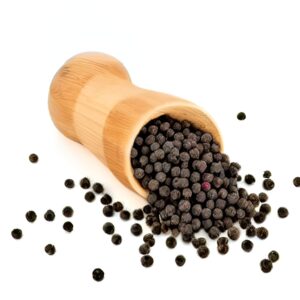
Caryophyllene – Found in clove, black pepper, rosemary, hops, basil, oregano, and cinnamon, this terpene has a spicy aroma with hints of woodsy notes. It’s associated with anti-inflammatory properties as well as being an antioxidant.
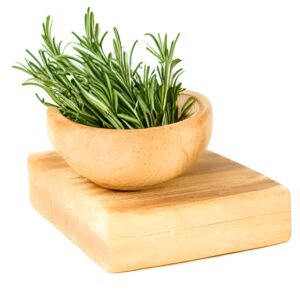
Pinene – Pinene is found in pine trees, rosemary, citrus fruits, and other fragrances. It has a characteristic pine aroma and is known for its ability to reduce inflammation and promote airflow within human cells. It may also have anti-cancer properties and help protect against cardiovascular disease.
Limonene – Limonene is found in lemons, limes, oranges, and other citrus fruits. Its fruity scent can be detected in many cleaning products as well. It has been studied for its potential to reduce ulcers in animal models and help protect against liver damage caused by toxins. It may also have gastroprotective qualities that can benefit those with gastrointestinal disorders.

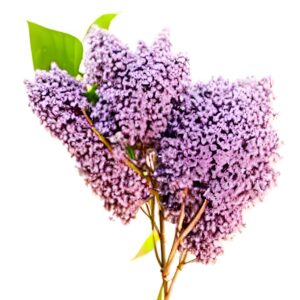
Terpinolene – Terpinolene has an herbal scent reminiscent of apples or cumin spice with floral undertones similar to rosewood or lilac blossoms. Studies suggest it may have cardioprotective effects by protecting against oxidative stress on blood vessels, which could benefit cardiovascular health.
Humulene – This terpene is found in hops (among other plants) which give beer its bitter taste profile along with various aromas such as cloves or herbs like coriander or basil leaves. Humulene is known for its anti-inflammatory effects on skin inflammation when applied topically or ingested orally. Its antimicrobial properties make it effective against Candida albicans overgrowth (a type of yeast). Additionally, research suggests it could potentially reduce lung cancer cell proliferation through apoptosis (cell death), which shows promise as a possible cancer therapy option, too!

Linalool – Linalool has a sweet floral scent similar to roses or jasmine flowers accompanied by woody undertones like lavender or mint leaves; it’s even been used for fragrances in many cosmetics due to its pleasant aroma! Research suggests it could be useful for relieving anxiety disorders through sedative effects while simultaneously promoting alertness—it might even act as an anticonvulsant! Lastly, studies point towards linalool being helpful for treating skin inflammation due to antimicrobial properties present within this terpene molecule, so topical applications may offer relief from related conditions like eczema!

Ocimene – Ocimene smells like parsley or tarragon herb with hints of minty undertones, naturally occurring in some plants like oregano leaves (among others). This compound may offer potential benefits such as combating air pollution when exposed directly since ocimenes are volatile molecules capable of binding with pollutants without causing harm themselves – this could lead to better indoor air quality if implemented correctly! Additionally, research suggests ocimenes might even act as anti-cancer agents due to their cytotoxic effects on certain types of cell lines, so there’s potential here, too!
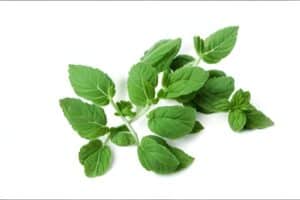
Nerolidol – Nerolidol has an earthy aroma somewhat resembling mushrooms but also has notes reminiscent of green tea leaves; it can be extracted from essential oils extracted from flowers such as lavender buds, among other sources, including lemongrass.
Studies suggest nerolidol may possess antimalarial activity, thus making it useful for treating malaria patients who don’t respond well enough to traditional treatments. Another possibility includes targeting bacterial infections where antibiotics don’t work enough either! Lastly, research points towards nerolidol having antibacterial activity against certain types of streptococcal bacteria; this means topical applications infused with nerolidol could potentially help treat skin infections where antibiotic creams fail alone!

Bisabolol– Bisabolol smells quite sweet yet slightly spicy similar to chamomile flowers mixed with ginger root – these compounds have been used medicinally around the world since ancient times! Studies indicate bisabolol might have antioxidant effects that help protect cells from damage caused by free radicals. Another possibility involves using bisabolol’s role in wound healing by speeding up the process close wounds faster than normal due to physical/chemical interactions between molecules themselves when certain concentrations are reached within tissue/cells, making them heal quicker than usual!
Finally, research points towards bisabolol’s anti-inflammatory properties when applied topically, helping reduce redness/swelling associated conditions such as psoriasis; this makes bisabolol a useful ingredient in skincare products aimed at reducing inflammation-related problems people face in everyday life, significantly increasing comfort levels affected areas almost immediately upon application regardless what part body affected from irritation/inflammation itself initially!.

Terpenes are a popular choice for manufacturers of cannabis products, especially when it comes to inhalables (vape hardware and consumables), sublinguals, extract and flavor formulations, ingestibles, and even topicals.
As aromatic molecules, terpenes are used to enhance the flavor of cannabis products. When added in higher concentrations, they can also provide a powerful aroma that creates an enticing sensory experience and helps mask the smell of cannabis while in packaging or storage.
Inhalables like vape cartridges that contain terpenes are becoming increasingly popular among cannabis consumers. Since terpenes are volatile compounds, some vaporizers can be specially designed and optimized to heat terpenes alongside cannabinoids like THC and CBD to bring out their full potential as part of the overall vaping experience.

Terpenes are also found in sublingual formulations such as tinctures and sprays, which help create a pleasant taste profile for users who take these products orally. Their high solubility also makes them ideal for use in extract form, where product manufacturers can obtain more precise dosing control than with dried flower material alone.
The application of terpenes doesn’t stop there; they’re also being used in edible products. Terpene-infused confectionaries such as gummies or chocolates have become increasingly popular due to their ability to impart a unique flavor profile and specific therapeutic effects related to the particular type of terpene used in production.
The versatility of terpenes is perhaps best demonstrated when looking at their use in topical applications such as lotions and creams. Here, terpenes are used not only for their scent but also because they act as an emulsifier, helping other ingredients blend evenly into a homogeneous mixture. On top of this, some research has indicated that certain types of terpenes may possess anti-inflammation properties when applied directly on the skin, which could prove beneficial for wound healing or treating certain dermatological conditions. Plus, antioxidants found in some types of terpenes may be helpful in protecting the skin from environmental damage caused by free radicals or UV radiation from sunlight exposure. These findings have prompted organizations like the International Fragrance Association (IFRA) to investigate how these compounds can be implemented safely into cosmetic products for dermal use.
Quality should always be a priority when storing products containing terpene molecules since concentrations can vary greatly over time depending on factors such as temperature sensitivity and form factor (i.e., liquid vs. dry). This means that proper storage procedures must be established during production so that product quality remains consistent throughout its shelf life while still delivering on consumer expectations with respect to both flavor profile and potency levels across different batches or lots produced using similar recipes/formulations.
In conclusion, terpenes are a key component of the cannabis plant, making it unique and providing potential therapeutic benefits. They contribute to the overall experience of consuming cannabis, adding to the flavor and scent of the product, as well as providing potential medical benefits.
Terpenes are commonly found in inhalables, sublinguals, extract and flavor formulations, ingestibles, and topicals and can also help mask the smell of cannabis while in packaging or storage. While further research is needed to understand the potential medical benefits of terpenes from cannabis plants, current research suggests they could offer therapeutic value when used alongside other cannabinoids like CBD and THC. Proper storage procedures must also be in place to ensure that product quality remains consistent throughout its shelf life.
Key Takeaways Defining Terpenes and Their Significance in Plants Terpenes are essential oils comprised of hydrogen and carbon atoms, possessing potent medicinal properties and providing

There are many benefits to extracting terpenes from cannabis: To benefit from their pharmacological activity; their synergistic effects with cannabinoids; and their ability to provide

You’ve certainly heard of the “giggles” associated with cannabis, but what about the terpenes that can make you laugh? Certain terpenes are known to elicit

When it comes to taste and aroma, terpenes are king. Terpenes are the aromatic compounds found in many plants including cannabis, and they are responsible

Terpenes are the aromatic compounds found in all plants, and lavender is no exception. These compounds make up the essential oils that give lavender its

Are you looking for a way to control your appetite with cannabis? If so, you’re in luck! In this blog post, we’ll explore how terpenes

Terpene analysis is the process of determining the concentration and abundance of terpenes in cannabis products. Terpenes are volatile compounds that are responsible for providing

Spraying terpenes on weed is a great way to enhance the flavor and aroma of your cannabis, as well as add additional health benefits associated

If you’ve ever stopped to enjoy the crisp scent of pine trees on a mountain hike or relished the soothing aroma of lavender, then you’ve

Are you looking for natural ways to reduce inflammation, improve mood regulation, and reduce pain? Found in plants like cannabis, thyme, Spanish sage, and citrus