
If you want to start your own CBD business, you may have considered buying a CBD franchise. This article will explain the benefits of investing in a CBD franchise, the process of buying one, and the various costs involved.
Due to the challenges associated with starting a CBD business, buying a CBD franchise is an option to consider. It allows you to follow a proven model of success while reducing lab testing and quality control costs as well as other bureaucratic hurdles. However, franchise fees will decrease your profit margin.
Creating a sustainable business model in the emerging CBD industry can be an uphill battle for CBD start-ups. However, opting for a franchise could be an easy way to get around some of the biggest challenges. If you want to know more about what buying a CBD franchise entails, we have the answers.
Table of Contents
ToggleWhat Is a CBD Franchise?
A CBD franchise is a business opportunity that allows you to buy and manage a brick-and-mortar CBD retail outlet while enjoying the perks of business ownership, even if you don’t have much experience in the industry. You’ll also receive support from the franchise owner in terms of branding, marketing, and other costs associated with starting a new business.
Think about your favorite fast-food store or coffee shop, which has hundreds if not thousands of similar stores in other locations around the country, or even worldwide. Each store sells the same products, looks the same, and has to adhere to the same business practices as other stores in the franchise.[1]
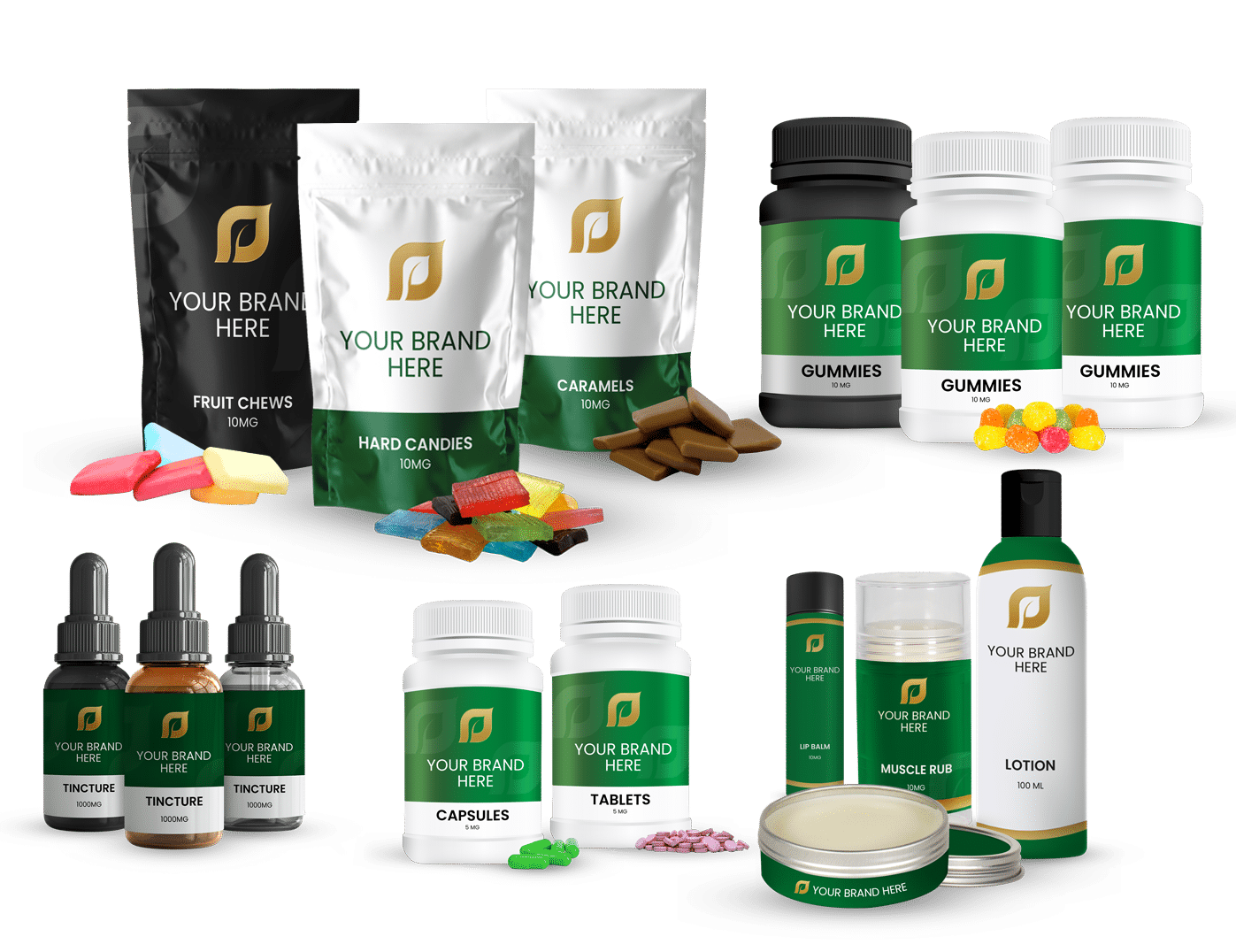
CBD franchises are no different, except that instead of selling fast food or coffee, they sell hemp-derived products, such as CBD oils, edibles, tinctures, gels, topical creams, and various other products.[2]
Benefits of CBD Franchise
Buying a CBD franchise comes with benefits that could help you earn a lot of money in the emerging CBD market. Sales of CBD products have been growing at an astronomical rate[3] ever since hemp-derived products were taken off of the Schedule 1 controlled substance list in the United States after the implementation of the 2018 Farm Bill.
Even though hemp-derived products are legal in most parts of the US, the CBD market remains uncertain due to several regulations that have yet to be put in place as well as other legal hurdles. Branding and marketing have also become challenging due to the legal requirements for marketing the benefits of CBD products.
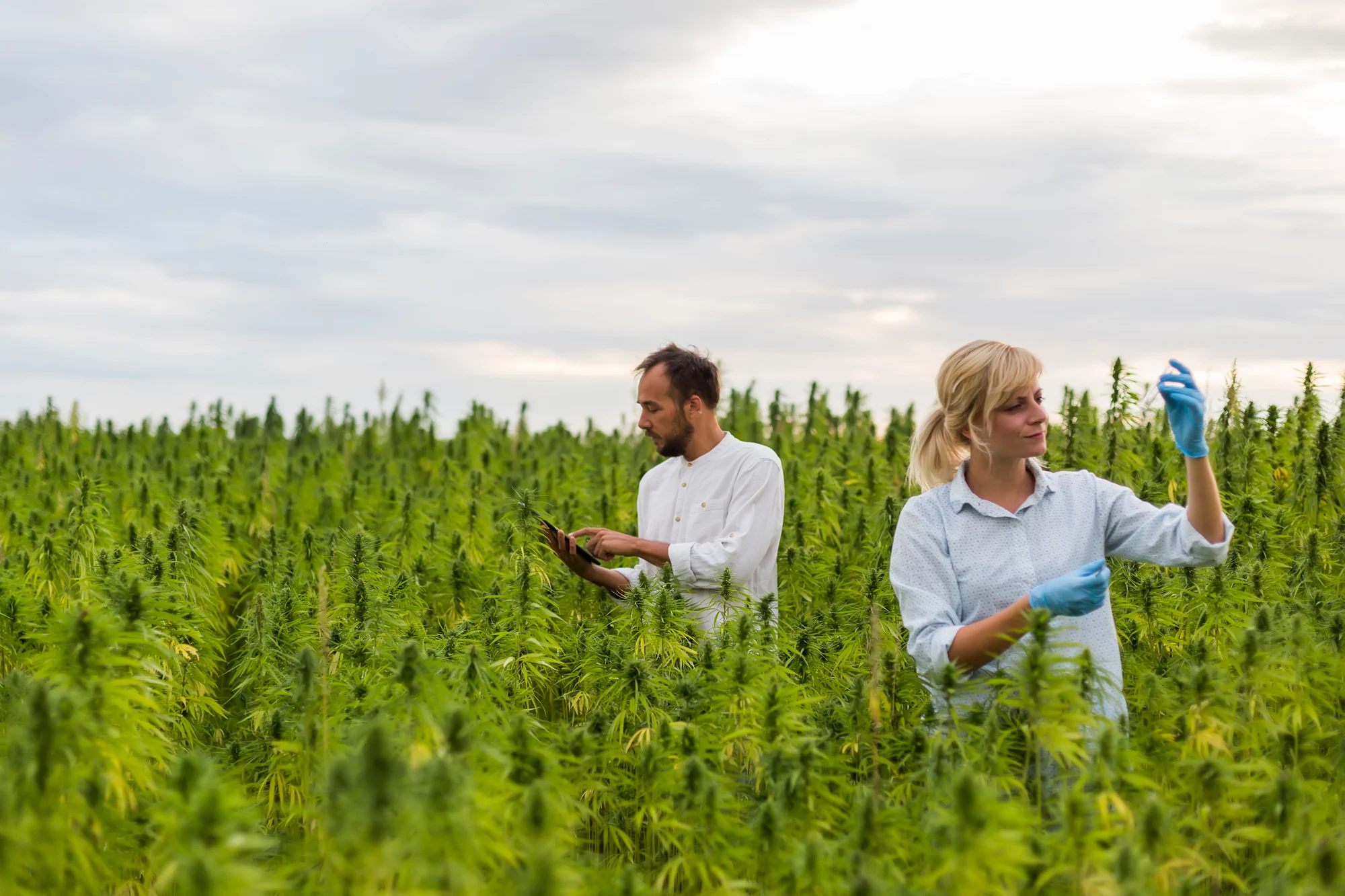
When producing CBD products, you can’t use hemp plants with a THC content that’s over 0.3%. Therefore, you have to spend time and resources on lab testing to confirm that your product meets the quality standards required for CBD products.
If your store is part of a franchise, however, you don’t have to worry about these regulatory challenges because you’re getting your products from the franchise, which must adhere to industry standards. The franchise team also offers clinical research, as well as marketing, outreach, and community involvement support[4] to its franchisees.
In short, a CBD franchise allows you to open a CBD store with little to no experience and provides access to a customer base that already exists. Being a part of an established brand comes with significantly fewer risks due to lower levels of uncertainty. You’ll have the advantage of working with a business model that has already been proven to be successful.[1]
In addition, you will receive support from the franchise team in the form of training and guidance. You’ll also have ample opportunities to expand your business to new locations.[1][4]
How To Buy a CBD Franchise
If you’re convinced that a CBD franchise would be the right choice for you, the next step is to find out how to get involved with the various CBD franchises available. The process is not the same for every franchise, but you can expect to follow some franchise purchase procedures, such as:[4]
Filling Out a Discovery Questionnaire
After approaching a CBD franchise, you will receive questions from the franchise regarding your business objectives to determine whether you’re a good fit for the franchise in terms of its brand and concept.
Qualification
If you’re an appropriate candidate, the CBD franchise will be in touch to provide you with more details on how to become a franchisee.
Review Legal Documents
You will then be issued documentation, such as a franchise disclosure agreement, so that you can determine whether buying a CBD franchise will help you meet your unique business goals. The franchise owner will also present you with other legal documents that you or your lawyers must review.
Sign Retail Agreement
Once you’ve had the opportunity to work through the terms and agreements of various legal documents that stipulate important details, you will sign the documents, such as your retail agreement, and officially get things underway.
Select Store Site
After you’ve dotted the i’s and crossed the t’s, it’s time for you to select the location that would be best for your franchise store and pick a date when you will open for business. The franchise owner will take you through the process of finding the retail outlet that suits you best.
Local Marketing Initiatives
As you prepare to open your new CBD franchise store, it’s important to reach out to your community and get involved in marketing initiatives with various governmental bodies. This will require a tried-and-tested digital marketing strategy in addition to traditional marketing methods.
Training
Once you’ve got the ball rolling, you will have the opportunity to work directly with the franchise owner and team in their flagship location to learn from the experts how to run a CBD store on-site. Later, the franchise team will provide assistance at your store’s location to ensure that everything is in place for your first day of business.
Store Construction
After you’ve selected your store’s location, you will work with building contractors to construct your store in accordance with the franchise’s model. The owner and the franchise team will also be present to ensure that your floorspace is appropriately constructed.
Hiring, Set Up, Orders & Operations
As you put everything in place for the first day of business, you will have to hire staff, set up systems, order inventory, and ensure that store operations are in place so that you can hit the ground running.
Grand Opening
Finally, the big day will arrive, and your CBD franchise store will be open for business! You may decide to have a launch party or ribbon-cutting ceremony to build hype around your new location. But don’t think the hard work is over… because this is just the start, and you’ll still have lots of entrepreneurial hurdles ahead.
CBD Franchise Costs
Depending on which franchise you opt to purchase, your initial investment can be rather hefty and will vary depending on the size of your store and where it is located.
Expect to make an investment of between $20,000 and $300,000 for your initial franchise fees, inventory costs, and start-up costs.[4] Some franchises may also require that you have a net worth of up to $300,000 to ensure that you can cover the costs of running a franchise and pay outstanding fees while providing additional start-up capital should your store fail to initially take off.[5]
Disadvantages of CBD Franchise
Considering the various requirements, what are the drawbacks to buying a CBD franchise?
Unfortunately, because you’re effectively representing someone else’s brand, you have to adhere to the standards and practices that the franchise owner dictates. You may not be free to have creative input regarding solving the challenges unique to your CBD franchise store.
Your financial records are also subjected to review by the franchise owner, which could limit your financial choices. Even though the franchise owner and team may provide support, they don’t always stipulate exactly how much support they offer from the corporate level in terms of training, webinars, etc.
You will likely need all of the support that you can get from experienced experts, but you also have to do so on their time. You may not think that you’re given enough support, and the franchise team could only have availability at times when you don’t need them.
Finally, the cost of starting a franchise, as we’ve shown, can be very expensive, and franchise fees will also cut into your profits.
Conclusion
While buying a CBD franchise is a great opportunity if you want to enter the CBD industry and have less risk and various benefits associated with entrepreneurship, you may also find that your freedom to make independent business decisions could be limited, despite being your own boss.
Nonetheless, there are plenty of benefits that you will enjoy once you complete the process of buying a CBD franchise and your new store is up and running.