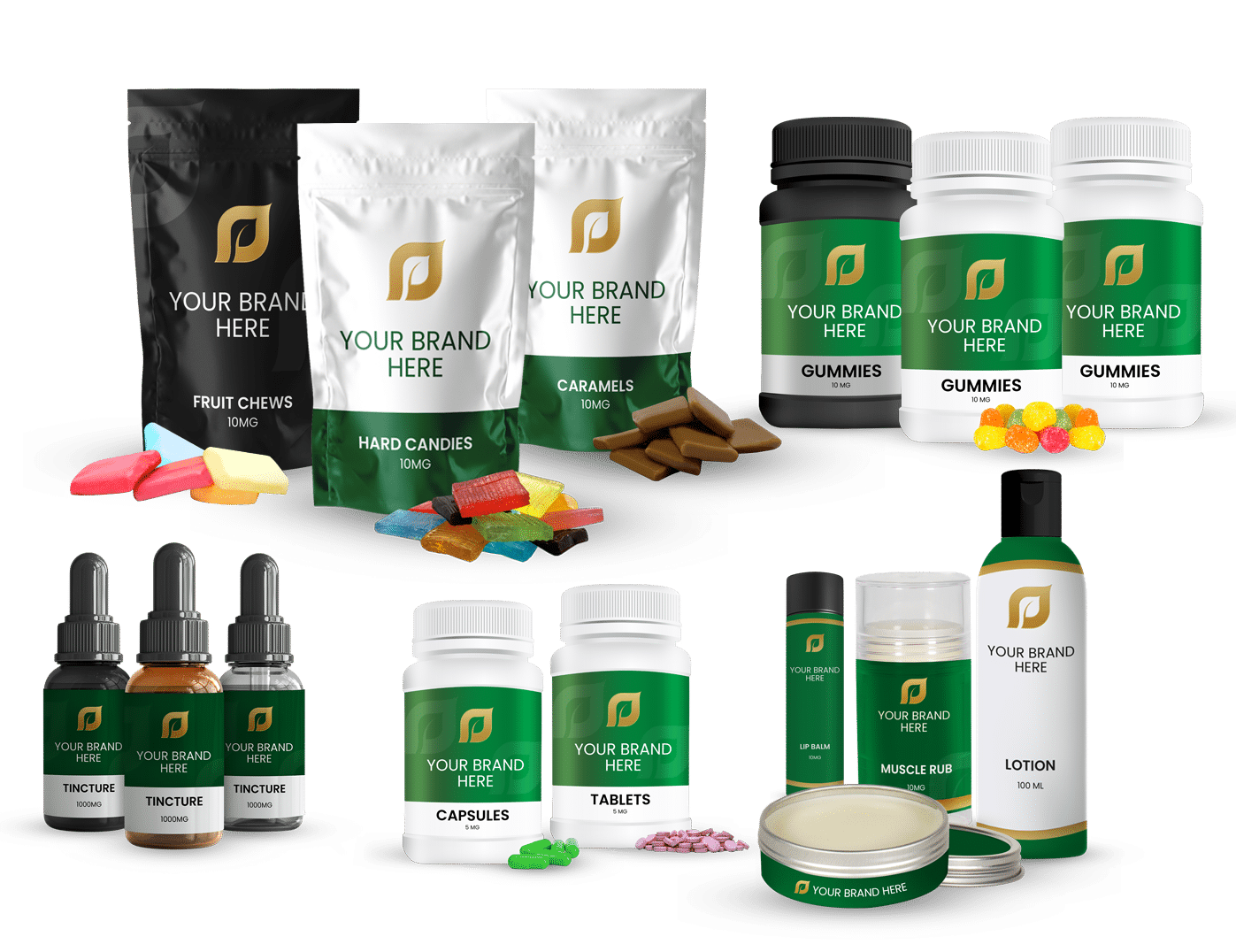

Unfortunately, edibles do go bad. Some edibles like tinctures and oils can last for years, while others like cookies and go bad in just a week or two.
If you take care to store your edibles properly, you should be able to extend their shelf life and enjoy them before they go bad.
Table of Contents
ToggleWhat Are Cannabis Edibles?
Cannabis edibles are food products that contain cannabinoids, which are the active compounds in cannabis. THC and CBD are the most well-known cannabinoids, but there are many others.
Cannabis edibles can be made with either marijuana or CBD-only strains of cannabis. CBD-only edibles are non-psychoactive, meaning they will not produce the “high” associated with marijuana.
Cannabis edibles can be a good option for people who want the medicinal benefits of cannabis but don’t want to smoke or vape. Edibles can also be a good option for people who have respiratory issues or chronic pain, as smoking can aggravate these conditions.
Edibles can take anywhere from 30 minutes to two hours to kick in, depending on the person’s metabolism and the amount of food in their stomach. The effects of edibles can last for several hours.
When taking cannabis edibles, it’s important to start with a low dose and see how you react. The effects of edibles can be different for everyone, and it’s important to be cautious when trying them for the first time.
Side effects of edibles can include dry mouth, red eyes, dizziness, and paranoia. Edibles can also interact with other medications, so it’s important to talk to your doctor before trying them.
There are a few precautions to take when consuming edibles. First, make sure to store them in a cool, dark place. Heat and light can degrade the cannabinoids in edibles, making them less effective.
Second, be sure to keep edibles away from children and pets. Edibles can look like regular candy or food, but they can be very potent. Children and pets can accidentally consume too much and experience adverse effects.
Finally, be sure to label your edibles clearly. It’s important to know how much THC or CBD is in each edible so that you can dose accordingly.
Edible Spoilage Versus Potency Loss
For a food that is also a medicine, like cannabis edibles, going bad could mean either spoilage, potency loss, or both. So what’s the difference?
What Is Food Spoilage?
Food spoilage is the deterioration of food due to the growth of microorganisms, such as bacteria, yeasts, or molds. The growth of these microorganisms can cause food to become unsafe to eat. Food spoilage can also occur due to the action of enzymes that are produced by the microorganisms. These enzymes can cause the food to lose its flavor, texture, and nutritional value.
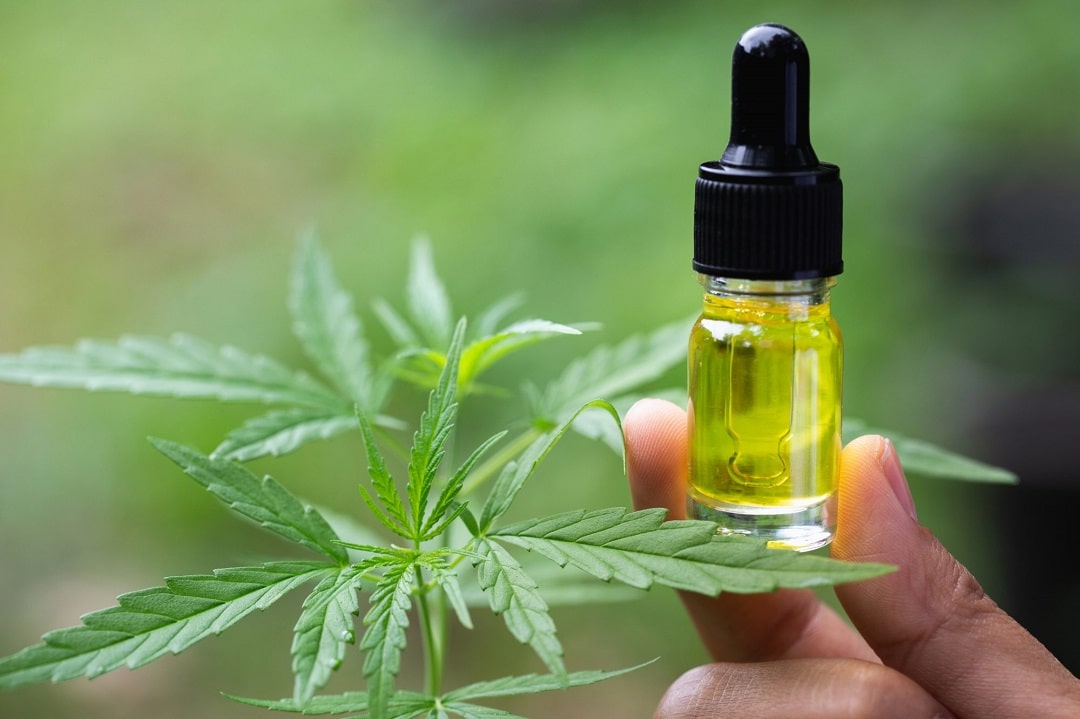
Oral products like tinctures are nearly immune to spoilage, while foods like cookies can go bad quickly. Just like other food, spoiled cannabis edibles can make you sick.
What Is Potency Loss?
Cannabis edibles lose potency over time as the THC degrades over time. This process is accelerated by heat, light, and oxygen exposure. Storage in a cool, dark, and airtight container can help slow this process.
The longer you keep your edibles, the less potent they will be. If you store them properly, this shouldn’t be a huge issue though.
Cannabinoid Degradation: Does it Affect the Quality of Your Product?
Cannabinoids are a class of chemical compounds found in the cannabis plant. THC, CBD, and CBN are the most well-known cannabinoids, but there are many others. Cannabinoids interact with the body’s endocannabinoid system, which plays a role in many physiological processes.
Cannabinoids are not like other chemicals and do not go bad in the same way. They do not spoil or rot, but they can degrade over time. The rate at which cannabinoids degrade depends on a number of factors, including storage conditions and the type of cannabinoid.
THC is the most well-known cannabinoid and the one that is most associated with the intoxicating effects of cannabis. THC is also the most unstable cannabinoid, and it is the one that is most likely to degrade over time. CBD is much more stable, but it can still degrade under certain conditions.
CBN is a cannabinoid that is produced when THC degrades. It is not as intoxicating as THC, but it can still produce some sedative effects.
The best way to store cannabinoids is in a cool, dark place. This will help to slow the degradation process. Cannabinoids can also be stored in the freezer, but this is not necessary.
If you have cannabinoids that have degraded, they will not be as potent as they once were. However, they will still produce some effects. The experience can be similar to taking edibles on a full stomach. Degraded cannabinoids are more likely to produce sedative effects than intoxicating effects.
Which Cannabis Edibles Have The Longest Shelf Life?
When it comes to edibles, how long do they last? Do they go bad? Let’s explore which cannabis edibles have the longest shelf life.
Refrigerated items like energy drinks, sauces, and condiments can last for months or even years. Brownies, cookies, and rice crispy treats can last for weeks or months if they’re individually packaged and stored in a cool, dry place. Candies, gummies, and lollipops can last for months if they’re individually wrapped and stored in a cool, dry place.
Milk and dairy products, beverages, and baked goods have a shorter shelf life and should be consumed within days or weeks.
Factory-made, store-bought edibles typically have a longer shelf life than homemade edibles. This is because they’re individually packaged and often contain preservatives.
Oils have the longest shelf life of all edibles, lasting for months or even years.
How Long Do Edible Gummies Take To Expire?
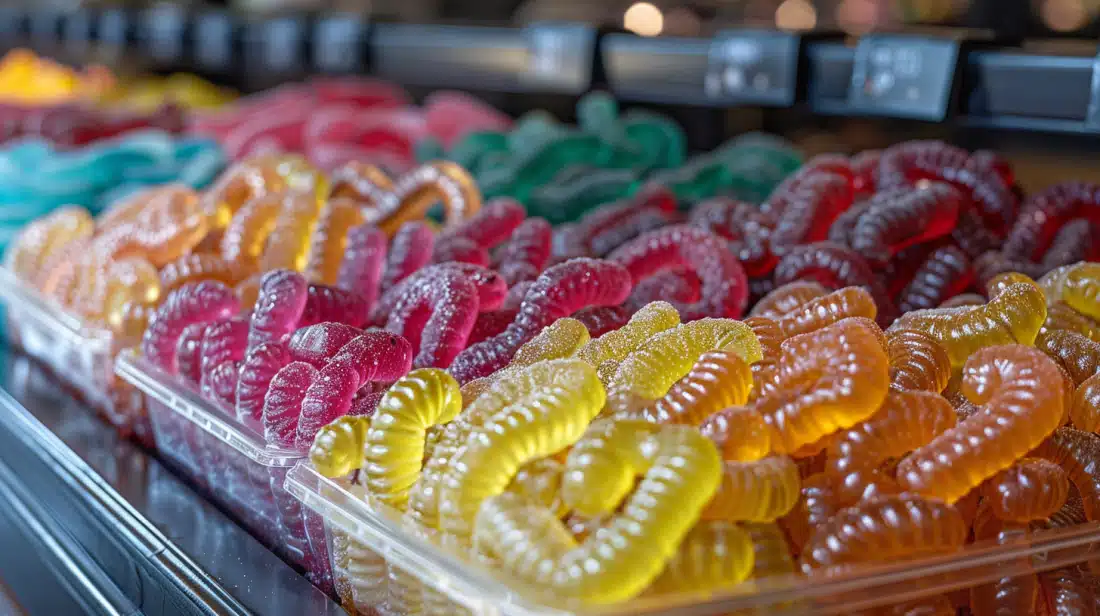
Most cannabis gummies are unlikely to spoil as long as they are stored properly. It’s always important to check the packaging to see the manufacturer’s best before date.
If the gummies haven’t spoiled and they haven’t exceeded their best before date, they are likely safe to consume.
Like other cannabis edibles, they will lose some potency over time.
Tips for Storing Cannabis Edibles
You can extend the shelf life of your edibles a lot by storing them properly. Proper storage will prevent both spoilage and potency loss. It will also ensure that your product maintains the flavor and texture that it came with when you bought it.
Factors That Affect Cannabis Edible Shelf Life
Here are a few factors to keep in mind when storing your edibles to ensure they stay fresh and potent.
Cannabis edibles are sensitive to humidity, so it’s important to store them in a dry place. If your edibles are exposed to too much moisture, they can start to degrade and lose their potency.
Sun exposure can also be detrimental to cannabis edibles. UV light can break down the cannabinoids in the edibles, making them less effective.
Heat is another enemy of cannabis edibles. Too much heat can cause the edibles to melt, become brittle, or lose potency.
Contamination is another issue to be aware of when storing cannabis edibles. If your edibles come into contact with contaminants like mold or bacteria, they can become unsafe to consume.
By taking these factors into account, you can help ensure your cannabis edibles stay fresh and potent.
Best Storage Materials For Cannabis Edibles
When it comes to storing cannabis edibles, there are a few things you need to take into consideration in order to ensure they stay fresh and potent. First, you’ll want to make sure you’re using airtight containers. This will help to keep out any moisture or other elements that could degrade the quality of your edibles.
Parchment paper is also a great way to keep your edibles fresh. By wrapping them in parchment paper, you create a barrier that will help to keep out moisture and other contaminants.
Ziploc bags and barrier bags are also great for storing cannabis edibles. These bags are designed to keep out moisture and other elements, and they’re also airtight, which will help to keep your edibles fresh.
Glass jars are another great option for storing cannabis edibles. They’re airtight and can help to keep out moisture and other contaminants.
Vacuum-sealed bags are also a great option for storing cannabis edibles. These bags are designed to keep out moisture and other elements, and they’re also airtight, which will help to keep your edibles fresh.
Finally, you can also store your cannabis edibles in the freezer. This is a great option if you want to keep them fresh for a long period of time. Just make sure to wrap them in an airtight container before freezing.
Concentrates can also be stored in the freezer. This is a great option if you want to keep them fresh for a long period of time. Just make sure to wrap them in an airtight container before freezing.
When it comes to storing cannabis edibles, the most important thing to remember is to keep them in an airtight container. This will help to keep out moisture and other elements that could degrade the quality of your edibles.
Three Main Rules For Storing Edibles
If you observe these three rules, your edibles shouldn’t go bad for a long time.
- Use an airtight container – Oxygen degrades the cannabinoids.
- Keep them in a dark place – Light, especially UV light degrade cannabinoids.
- Keep them cool or cold – By avoiding warm or hot temperatures, you can avoid spoilage and potency loss.
Now that you know how to keep your edibles from going bad, you don’t have to worry about losing your cannabis treats to spoilage and potency loss. Enjoy!