
For those who live in states where certain forms of cannabis are still illegal, delta-8 THC has become a popular, legal alternative. This milder cannabinoid may offer health benefits and is similar to its more psychoactive sibling, delta-9. That said, for those who enjoy both the mildness of delta-8 THC and the more potent effects of delta-9 THC, a question remains: Can you mix both Delta-8 and Delta-9 THC?
Yes, you can mix delta-8 and delta-9. There is limited research into the benefits of these cannabinoids, but they produce relatively safe and pleasant effects when using them together. However, your experience will vary depending on several factors.
Knowing how to mix delta-8 and delta-9 safely is critical to your experience. Let’s explore the ins and outs of delta-8 and delta-9 THC. We’ll detail why people combine these cannabinoids. We’ll also explore these substances’ individual and combined effects, safety, potential risks, and the factors that may affect your experience.
What Is Delta-8?
The most common form of Delta-8 THC is a synthesized, CBD-derived cannabinoid. Cannabidiol, or CBD, is an element in cannabis that doesn’t cause psychoactive effects. Delta-8 is also naturally-occurring in the cannabis plant, but amounts are insignificant, hence why scientists have synthesized it.[1]
Like other forms of THC, delta-8 can cause psychoactive effects. This cannabinoid attaches to receptors in the endocannabinoid system and the nervous system. Delta-8 can produce mild feelings of euphoria, relaxation, and potentially even relief from pain.[2]
People often ask about the potency of delta-8. Delta-8 is a milder form of THC, and so while it can produce many of the psychotropic effects of other kinds of THC, its effects are not as intense.
If people ask, “is delta 8 as strong as delta 9?”, they’re most likely asking about the differences between the two. Although delta-8 is less psychoactive, it’s still possible to take too much. Depending on other factors, you may feel sleepy, nauseous, or experience a physical heaviness in your limbs.
What Is Delta-9?
Delta-9 tetrahydrocannabinol (THC) is the most common, naturally-occurring cannabinoid in the cannabis plant. It is significantly more well-known by recreational and medical cannabis users than delta-8.
Delta-9 causes psychoactive effects like relaxation, euphoria, and mental stimulation. Many use it to treat seizures, appetite problems, and chronic pain.[3]
Delta-9 THC also attaches to receptors in the brain and throughout the rest of the body. While it has fewer pain-relieving benefits than Delta-8, users can still get excellent relief and relaxation due to this chemical’s increased strength.[4]
Reasons for Combining Delta-8 and Delta-9 THC
You are likely wondering, “Can you mix delta 8 and delta 9 THC?” There are many reasons to mix multiple cannabinoids. People have done it safely for years with excellent results.
You can take charge of your health by reducing your physical and mental symptoms and increasing euphoria or pain relief. The Entourage Effect is a theory explaining that CBD and other cannabinoids can change how THC interacts with your body.[5]
1. Pain Management
The most common reason to combine Delta-8 and Delta-9 is to ease physical and mental ailments more effectively. Certain cannabinoids boast effects ideal for inflammation, pain relief, energy, and other afflictions. THC’s psychoactive effects make you feel high in multiple ways.
Patients with varying pain levels may find Delta-8 ideal for mild aches and inflammation, while Delta-9’s powerful effects can help nerve pain and aid digestion. Combining the two may help you manage these problems without relying on pain medications and other costly therapies.
2. Amplify Certain Effects
Another reason to combine these cannabinoids is to amplify the effects of both. Because delta-8 and delta-9 cause psychoactive effects, many users choose to combine them for deeper relaxation. They also rely on this combination for increased mental stimulation and pain relief.
Since delta-8 attaches to CB1 and CB2 receptors in the brain, you may notice heightened muscle relaxation and inflammation relief after adding this cannabinoid to your regular Delta-9 regimen. Products with multiple cannabinoid Delta-8 and Delta-9 blends are available for sleep, energy, focus, and other purposes.
Safety of Mixing Delta-8 and Delta-9
Another top question those curious about cannabis ask is, “Can you mix delta 8 and delta 9 safely?” In short, it’s just as possible to mix them safely as it is to overdo it. However, delta-8 and delta-9 have no adverse reactions when using them together.[6]
If you’re a beginner, it’s best to start with low doses for both types of THC. Even seasoned users can misjudge how much to take. Despite the delta-8 high vs. delta 9 high being much milder, adding too much to your dose can result in unpleasant sensations.
Can you mix delta 8 and delta 9 with CBD? Yes, taking CBD can counteract these adverse effects and provide physical relaxation. In addition to CBD’s anxiety-relieving benefits, it may help improve sleep and help you manage physical pain and mental discomfort.[7]
Risks of THC
THC has few risks and no known life-threatening side effects. Some people feel fewer side effects than others. For many users, THC significantly increases their well-being and health.
Typically, users experience a heart rate and blood pressure increase after ingesting THC. Over time, you may notice symptoms like dry or red eyes, dry mouth, and slow reaction times. You may experience paranoia and anxiety with too high doses or struggle with time perception.[8]
THC may increase the risk of developing psychosis among younger users.[9] However, with safe usage, small amounts, and a healthy mindset, you can mitigate and prevent psychosis and paranoia from THC.
Effects and Strength of Delta-8 and Delta-9 THC
Besides wondering, “Can you mix delta 8 and delta 9?”, many people question the different effects each type produces. They also wonder how these effects differ from effects that occur when combining these cannabinoids.
When combined, delta-9 overpowers delta-8’s effects. You’ll notice the psychoactive effects of delta-9 THC. Moreover, you won’t be as clear-headed as when using delta-8.
Instead, you may notice the deeper relaxation that delta-8 provides. You may also experience increased psychoactive effects like euphoria and talkativeness.⁷
There aren’t any outright benefits of combining the two, other than the potential Entourage Effect. However, this effect is only a theory. Patients may still not feel the mild effects of Delta-8 without using a significantly larger amount of D8 than D9. [7]
The Delta 8 High vs. Delta 9 High
Those wondering about mixing delta-8 and delta-9 should also know the initial effects of each cannabinoid before using them together.
The delta-8 vs. delta-9 high offers mild psychoactivity and deeper bodily sensations. Users report feeling relaxed and calm. Some compare the high from Delta-8 to that of CBD but be sure not to confuse Delta-8 with the non-psychoactive cannabinoid.[7]
Altogether, delta-9’s high is much stronger. You’ll feel the traditional “high” feeling people mention. Depending on how much you take and other factors, you may experience sleepiness, muscle relaxation, and euphoria.
Delta-8 vs. Delta-9 Potency
It’s also necessary to consider delta 8 vs. delta 9 potency. Being aware of the potency level helps you determine the proper dosage. With so many different consumption methods, potencies vary.
The most common way to consume delta-8 and delta-9 THC is by smoking, vaping, or taking edibles. Because everyone’s body responds differently, there’s no way to predict how you will react. So, be mindful of the potency of vape cartridges, cannabis flowers, and concentrates before using them.
Because delta-8’s strength is much lower, it allows users to function more clearly in their daily lives. Beginners and those with low tolerances to THC may find delta-8’s high more satisfying as they don’t yet need the powerful effects of delta-9.
Delta-9 is significantly more powerful than delta-8. As a result, regular delta-9 users may not feel the subtler effects of delta-8. They may need a considerably higher dosage to feel the effects.
In any case, with increased potency comes more psychoactive effects and a longer-lasting high.
Factors That May Affect Your Experience
Besides knowing what happens when mixing delta-8 and delta-9, you should also know the factors contributing to your experience. Many factors can affect how you feel when taking these substances.
1. Consumption Method
Your consumption method dramatically impacts how long your high lasts and how high you feel. Popular consumption methods for delta-8 include vape cartridges, edibles, and concentrates. Delta-9 THC is available in tinctures, concentrates, vape cartridges, edibles, and other forms.
Depending on the products you choose, some metabolize in your body differently than others. You’ll generally have a much longer-lasting experience with edibles or tinctures than respiratory consumption.
2. Dosage Amount
When considering mixing delta-8 and delta-9, it’s crucial to understand the dosage amount and its effects. Depending on your tolerance, it can be challenging to measure how much to take. Overall, it’s best to start small and increase your dosage.
Larger dosages for people with lower tolerances will last longer. A small dosage could give adequate relief to those with no tolerance. Conversely, daily delta-9 users may need a much larger dosage than someone who uses THC infrequently.
3. Delta-8 vs. Delta-9 Strength
Regarding delta 8 vs. delta 9 strength, it’s important to understand the effects and potency of a product before using it. Depending on a product’s strength, your high could last between two to eight hours. Your high may last even longer with edibles and other ingestible options due to their increased THC levels.
Be mindful that combining the two cannabinoids will increase their total effects. Additionally, your ratio of delta-8 to delta-9 will determine the overall effects. For instance, using a large amount of delta-9 THC will cause more psychoactive effects than the subtle intoxication of delta-8.
4. Metabolism
Your metabolism also plays a part in delta 9 vs. 8 effectiveness. Every person has a different metabolic rate, which determines how quickly your body processes THC. Delta-8 may metabolize more rapidly due to its limited potency.
Edibles take longer to metabolize than vaping or smoking. In contrast, combusting or vaping may last for a few hours.
5. Tolerance
Your tolerance to THC plays a significant role in the effects’ duration and your overall experience. Some people feel the effects more intensely, while others note a mild relaxation. Depending on how regularly you consume THC, your tolerance adapts accordingly.
Users with no tolerance can easily take too much THC. Therefore, the smallest possible dose is more than adequate for beginners.
Those with some tolerance will still feel strong effects. However, high-tolerance users may need to consume more before feeling noticeable effects.
Furthermore, delta-8 does not have the same molecular structure as delta-9 THC. As a result, users may respond differently to D8 than D9.
Creating Your Own Delta-8 THC Products
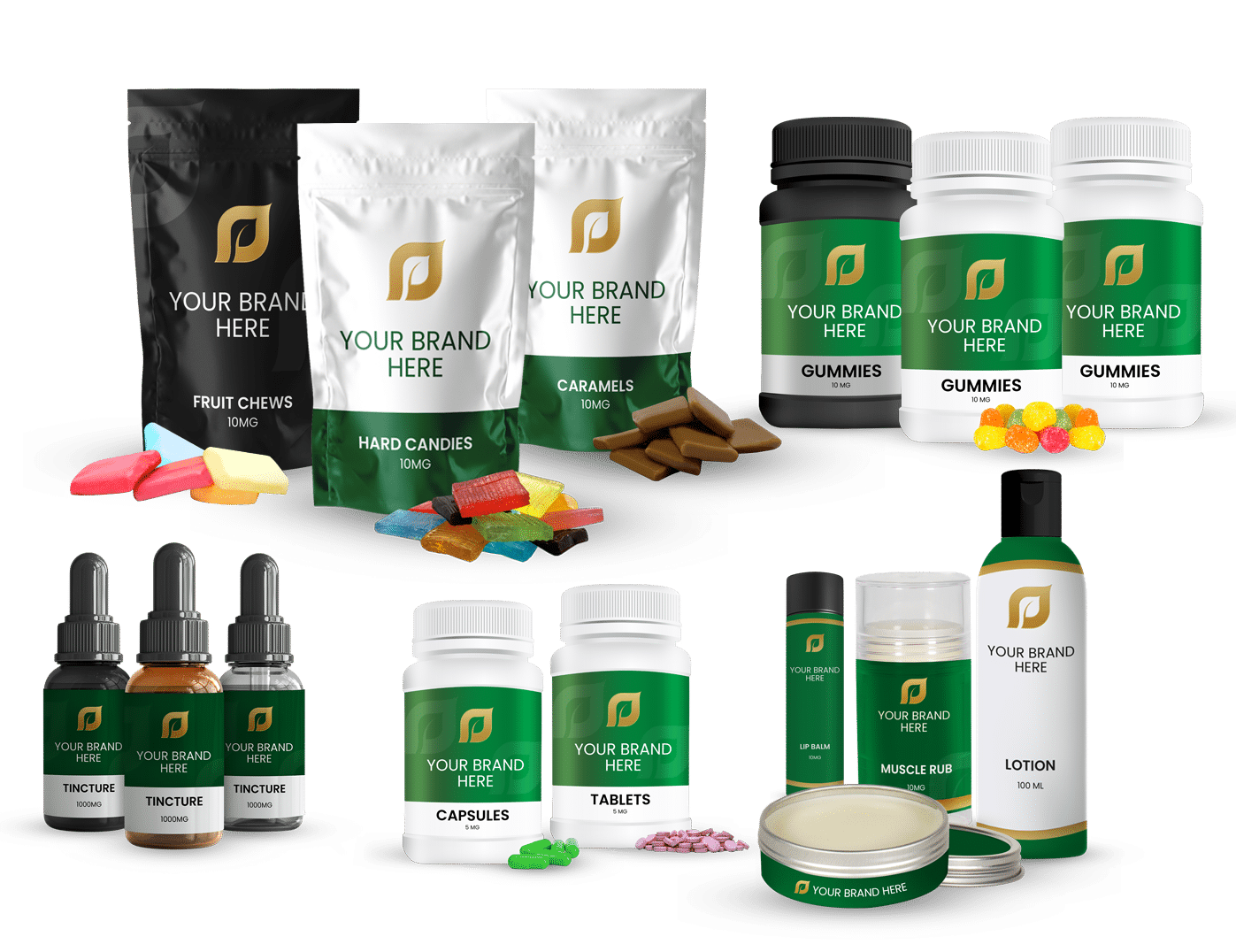
Choose CBD Nationwide to manufacture your top-shelf CBD, delta-8, and legal cannabis products. Whether you need CBD product manufacturing or product development, our team can help. We have the equipment and knowledge to create CBD, delta-8, and delta-9 THC products like gummies, tinctures, and capsules.
Are you interested in delta-8 products? Contact CBD Nationwide today at (844) 442-2369.